




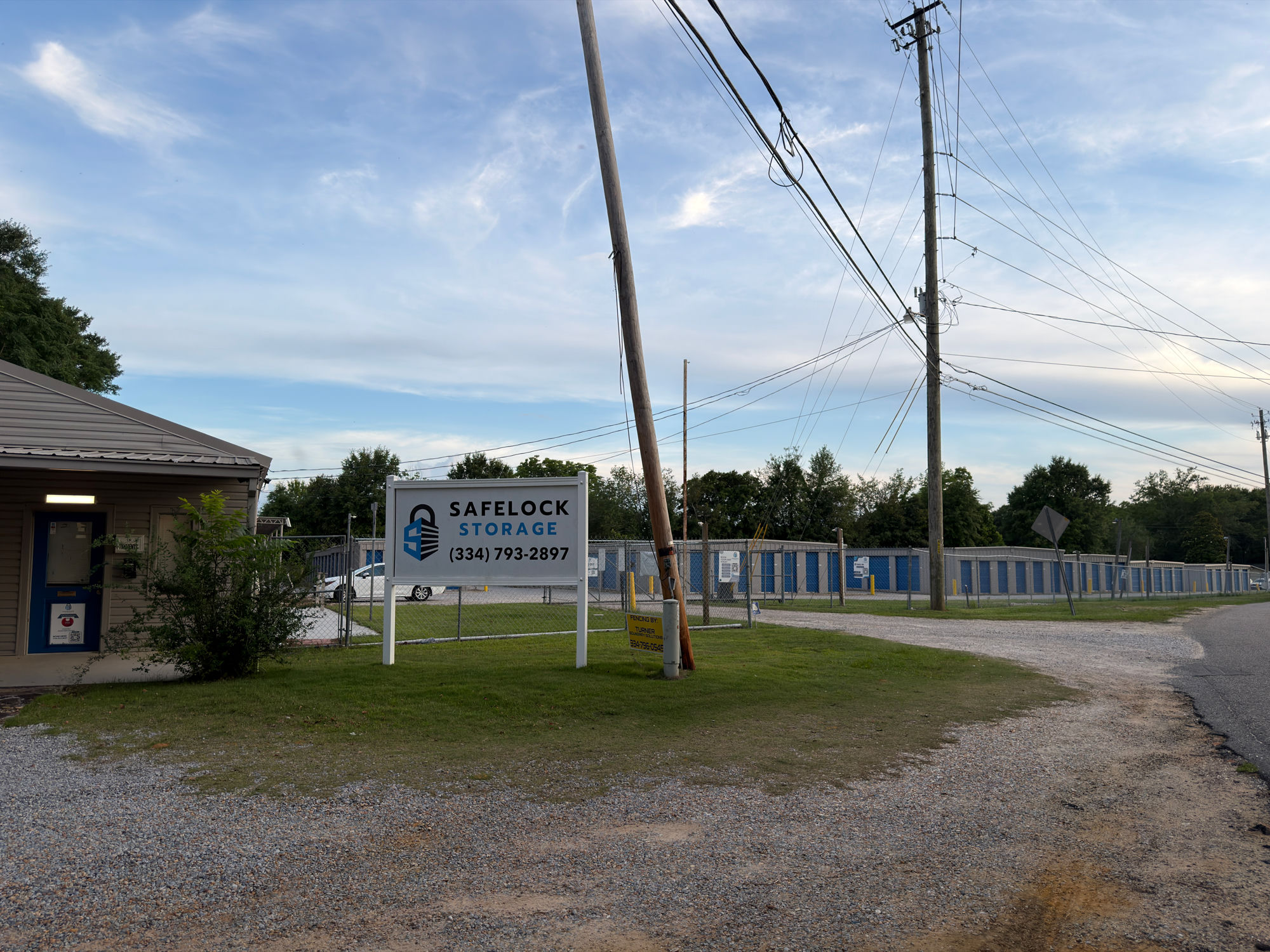
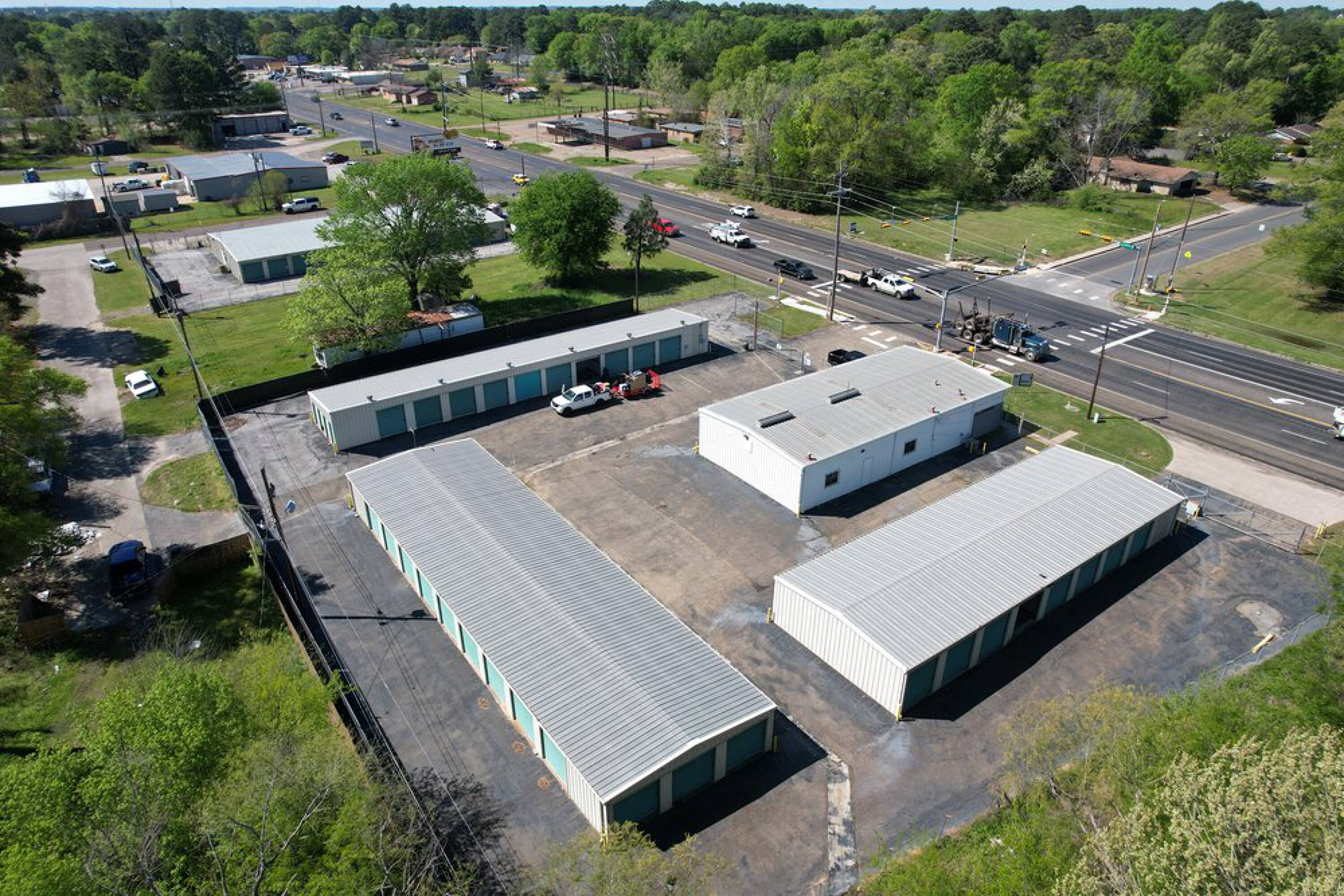
We operate self-storage facilities in Dothan, Alabama and Longview, Texas. Neither of us lives in either city. For most of the history of small-scale real estate, that sentence would describe a slowly failing business, because the real tax on a remote operator was never the big decisions. It was the logistics: finding the right local vendor, playing phone tag across time zones, chasing the three people who never answer the first email, and keeping every thread warm until something closes.
That tax is mostly gone now. The pattern that replaced it: describe the outcome once, in one prompt, and let Claude run the entire request-for-proposal cycle with our Gmail account connected (through Gmail MCP) and our browser available (through Claude for Chrome). It reads all the context we already have on the problem, finds the vendors, writes and sends the outreach, labels the threads, schedules its own follow-ups on a cron, and bubbles up the responses when they arrive. We make decisions. It does everything else.
Here are two real ones, with the actual prompts.
Case one: 30 cameras, one prompt
Our Dothan facility has a serious camera system: two Reolink NVRs and roughly thirty battery cameras across the property. It had been offline for about a year. In an earlier session, Claude had already diagnosed the root cause (a Wi-Fi network name collision between the NVR's own hotspot and the building's mesh network) and written up the recovery plan. What we needed was a pair of local hands to walk the property and re-provision cameras, at handyman rates, without signing the monitoring contract every security company leads with.
The kickoff was one message:
You: Okay, now I need you to learn everything about the camera system
we have at Dothan... We need to find a new tech to help us get all the
cameras online. They're basically offline for a whole year but we have
all the tech and everything we need.
Claude read the diagnosis and hardware inventory from our files, then went vendor hunting the way a very patient assistant would: web searches, Yelp, Thumbtack, and a Facebook Marketplace sweep through the browser (one promising installer only advertised there). It even decoded a bot-protected contact page to extract one company's real email address. It filtered out exactly what we didn't want: national alarm chains, dispatch middlemen, and anyone whose business model is a monthly monitoring fee. The target cost model it surfaced: a well-reviewed local tech at around $40 an hour, versus the integrator quotes that start with a site survey fee.
Then the delegation, again one message:
You: Do the Facebook Marketplace sweep through my browser. Once done,
draft emails from my Safelock Holdings email, cc hasan@, on all of
them and then send them all out... then monitor my inbox, label it
correctly...

Claude: All done. Everything sent, staged, and scheduled. Six
camera-tech outreach emails, each personalized with the system details
(2x Reolink RLN12W NVRs, ~30 Argus battery cams, diagnosis done,
written guide ready) and framed as hourly/service-only. Monitoring is
running twice daily (8:23 AM / 2:23 PM) and sends one polite bump to
any tech who hasn't replied by Wednesday.
Six personalized outreach emails from our business account, a Marketplace message to a seventh candidate, threads labeled in Gmail, and a twice-daily scheduled job that watches the inbox and bumps non-responders once, politely, midweek. Elapsed operator time: the two messages you just read. Everything else, including the vendor research notes and the written recovery guide the chosen tech will receive, is saved in the company repository for whoever touches the system next.
Case two: an insurance RFP that ran itself for three weeks
Insurance is the classic remote-operator grind: long email threads, underwriting questionnaires that all ask the same twenty questions, and brokers who go quiet. When our incumbent's renewal came back roughly 46% higher than the prior year's premium, we took the whole portfolio to market instead.
Claude assembled the full underwriting spec from our records: both properties, unit counts, square footage, construction type, alarm systems, occupancy, revenue, acquisition dates, claims history. It identified six brokers, including self-storage specialists, sent each a tailored RFP from our account, and then, this is the part that changed our lives, we turned the follow-through into a standing hourly agent:
Agent brief: You are an insurance outreach agent for Safelock
Holdings. You have full authority to draft replies to insurance broker
emails on behalf of Managing Partner Taher Lokhandwala. Your job is to
keep the quoting process moving by answering broker questions promptly
using the property data below.

Follow-up rule: For any broker who has NOT replied at all and it has
been 72+ hours since May 23, create ONE follow-up draft (only once;
check if a follow-up draft already exists before creating another).
Every hour, for three weeks, a scheduled Claude agent checked the inbox, labeled new broker replies, drafted answers to underwriting questions straight from the property data (pre-filling intake forms, and marking anything it wasn't sure of for our confirmation before sending), applied the one-bump follow-up rule to non-responders, and was set to alert us the moment a reply contained actual premium numbers. Brokers got same-day answers to every question, which is more responsive than we could ever have been from two time zones away. Nothing went out without review: the agent drafted, humans sent.
When the quoting cycle wound down, decommissioning the whole thing took one sentence ("I have an open routine running for some insurance thing, can you terminate it?") and the agent shut itself off. The entire process, spec, outreach, every Q&A exchange, lives in one labeled Gmail thread-set and our repository, ready to be re-run next renewal by flipping the routine back on.
The anatomy of a one-prompt RFP
Both cases, and the others we've run since (contractor bids, listing photographers), follow the same skeleton:
- Context ingestion. The agent reads what the company already knows: prior diagnoses, spec documents, financials, past quotes. This is why keeping everything in one repository pays off.
- Discovery. Web, Yelp, Thumbtack, Facebook Marketplace, directories, through real browser automation when a vendor only exists behind a login or a bot wall.
- Personalized outreach. One tailored email per vendor from our real business account, with the technical details that make a vendor take the request seriously.
- Scheduled persistence. A cron job that monitors the inbox, follows up exactly once with non-responders, and never forgets a thread. The polite-but-relentless part of procurement, automated.
- Escalation to humans. Replies get labeled and summarized; real quotes trigger an alert; anything uncertain becomes a draft awaiting review, never an auto-send.
- Memory. The research, the spec, and the outcome are written back to the company corpus, so the next RFP starts smarter.
What this actually changes
None of these steps is hard. What's hard is that there are forty of them per RFP, spread over weeks, and each one used to cost a context switch during someone's workday. That's why small operators historically either overpaid a national vendor to make the problem go away or let the problem sit (our cameras sat for a year). The one-prompt RFP removes the excuse: discovery, outreach, and follow-through now cost approximately nothing, so the only thing left to do well is decide.
It's the same lesson as our ads takeover, the website rebuild, and the gate repair: being a remote operator used to mean accepting a discount on how well your property could be run. With an AI that can read your context, use your email, drive your browser, and wake itself up on a schedule, remote is just a location, not a handicap.
Prompts and agent briefs quoted above are from our actual sessions, lightly trimmed. Vendor and broker identities are omitted on purpose; if you're one of the people who replied quickly and thoroughly, thank you, you know who you are. Guardrails we always keep: outbound replies are drafted for human review before sending, follow-ups are capped at one polite bump, and every automation can be shut off with a sentence.